Vintage Vibes & Modern Impact
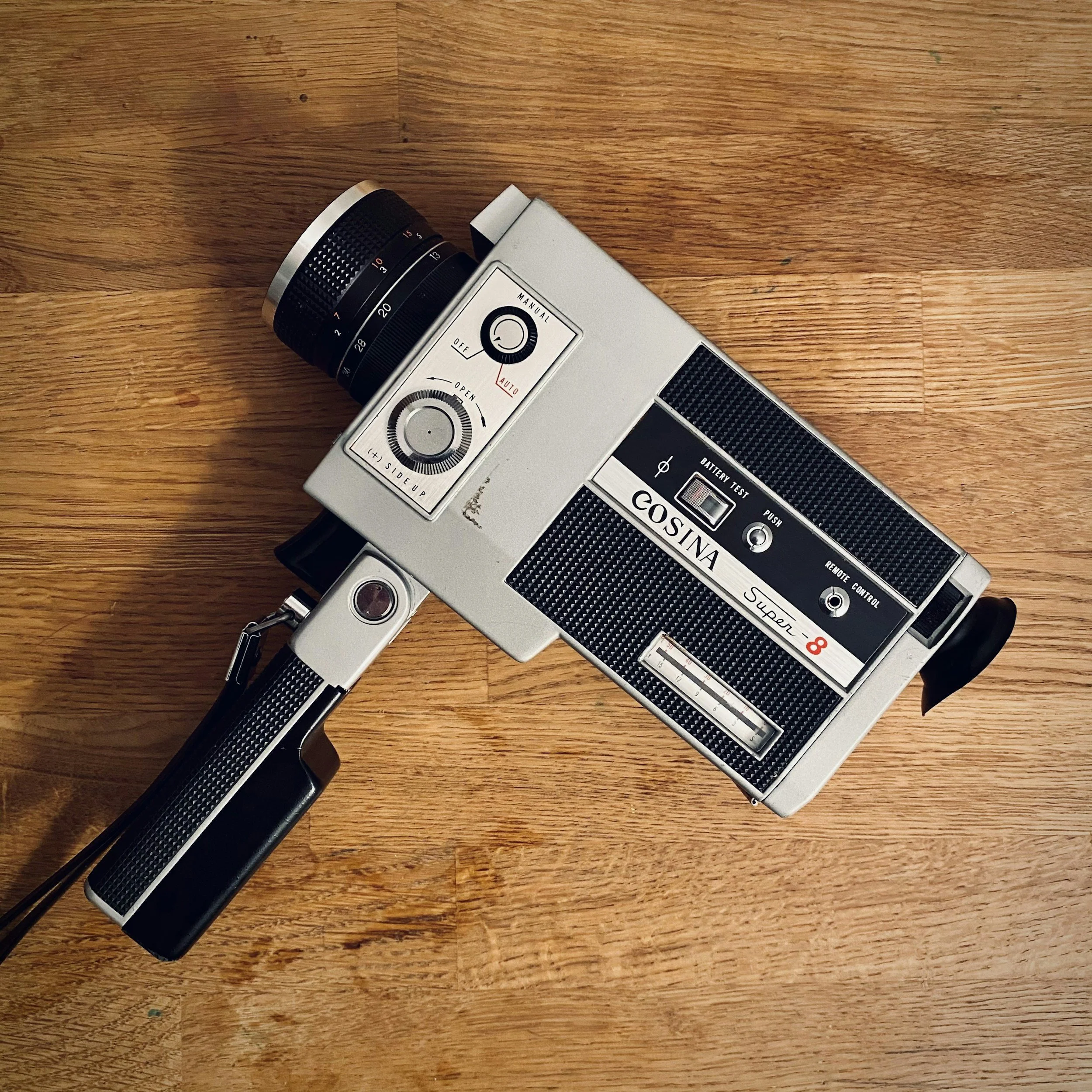
In a world of perfectly polished, algorithm-driven content, there’s something magnetic about the imperfect, the nostalgic, and the familiar. That’s why vintage and retro content are making a comeback, not just for aesthetics, but because they create emotion, connection, and distinction. (And shows like Stranger Things and other cultural relevancies have helped push it further into the social spotlight!)
Retro content isn’t about copying the past. It’s about taking inspiration from it; colours, typography, textures, formats, and storytelling and using it to stand out in a digital landscape that often feels sterile and repetitive.
Vintage and retro aren’t abstract concepts anymore; major brands are actively embracing heritage, tradition, and nostalgia as part of their identity and marketing, not just for visuals, but for brand meaning and emotional resonance.
Here’s how some well-known brands are doing it:
Ralph Lauren
Classic Americana is at the core of Ralph Lauren’s brand DNA and it’s paying off! In 2025, Ralph Lauren ranked as one of the most desirable fashion brands among consumers under 35, driven in part by its timeless aesthetic and strategic heritage storytelling on social platforms. By leaning into classic styles, home décor with a cozy, nostalgic feel, and collaborations rooted in cultural heritage, Ralph Lauren connects old-school sophistication with modern cultural relevance. (Was anyone else’s Christmas taken over by Polo bears?)
This isn’t nostalgia for nostalgia’s sake, it’s a deliberate blend of tradition and contemporary cool, showing how enduring visual language (prep, Americana, classic motifs) can carry cultural weight decades after its birth.
Roots
Canadian heritage brand Roots has long leaned into tradition; its iconic leather goods, classic typography, and unchanging logo anchor its social presence in “true North” authenticity. Like Roots, other lifestyle and fashion brands (from Levi’s reinventions to Adidas bringing back Sambas with modern collaborations) are using classic product heritage to build emotional signals that boost cultural relevance and drive consumption.
When audiences see timeless product design or a familiar logo, it evokes memory and trust, a powerful combination that makes content and products feel meaningful rather than just trendy!
Why Retro Content Works Today
Emotional Connection
Vintage content evokes memories. Whether it’s an old-school typography, muted colour palette, or grainy texture, it triggers nostalgia and humans respond emotionally before they think logically.Instant Differentiation
When everyone else is chasing trends like reels templates, viral dances, or AI-generated visuals, retro content feels fresh by being old. It’s a subtle way to signal authenticity and creativity.Storytelling Power
Vintage design naturally tells a story. A 1950s-inspired ad layout or a pixelated 8-bit animation communicates mood, era, and tone immediately, without needing a long explanation.Cross-Platform Flexibility
Retro content works in Reels, carousels, blog graphics, and even TikTok transitions. It’s adaptable, memorable, and can be mixed with modern design elements for contrast.
How to Create Retro Content That Resonates
Study the Era: Look at design, ads, and media from the decade that inspires you. Focus on fonts, colour schemes, and layout principles.
Mix With Modern Tools: Use apps and software to emulate textures, grain, or VHS effects. Layer modern transitions or interactive elements to make it feel current.
Tell a Story: Don’t just make it look old, make it feel intentional! Use captions, narratives, or sequences that connect the nostalgia to your brand message.
Be Authentic: Avoid overdoing it. Retro works best when it aligns with your brand’s personality, not just for trendiness.
Why Brands Should Care
Engagement: Nostalgic content catches attention because it’s different from the standard feed.
Memorability: People remember content that evokes emotion and feels intentional.
Brand Personality: Retro choices signal creativity, confidence, and thoughtfulness.
Evergreen Potential: Unlike trends, nostalgia cycles slowly; content inspired by classic eras can stay relevant for years instead of fading out in a week.
Retro content isn’t just a design choice; it’s a strategy. It gives brands personality, emotional resonance, and a way to stand out and be shared on crowded social feeds.
If you’re looking to create content that’s both memorable and meaningful, bringing a touch of the past into your modern strategy may be the simplest way to start.