From Movie Trailers to Social Media: How to Build Anticipation for Your Brand
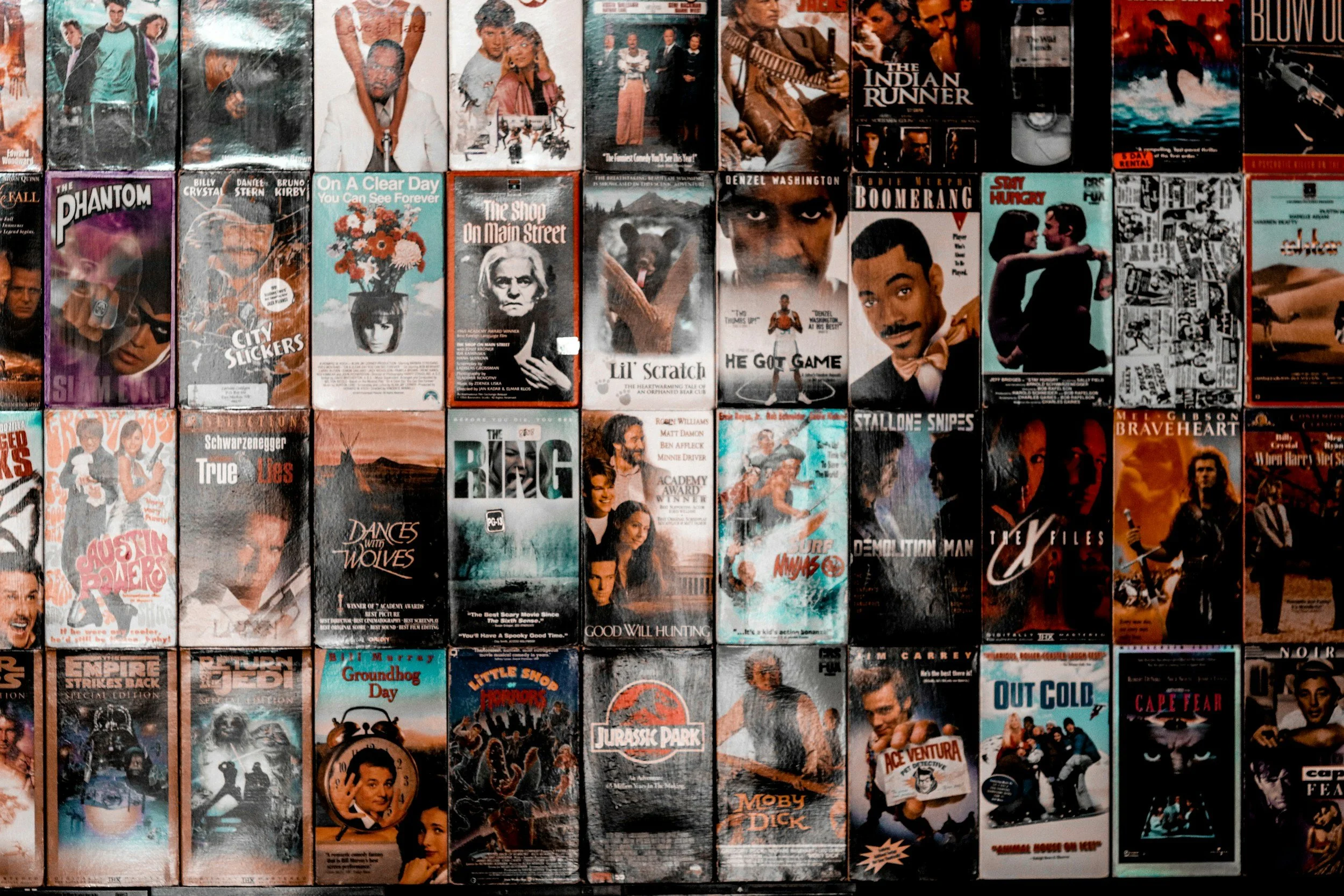
Every September, Toronto becomes a little more cinematic. The streets fill with posters, restaurants suddenly have celebrities sitting at nearby tables, people line up outside theatres hoping to get into screenings, and social feeds become a mixture of red carpets, reviews, interviews, first reactions and people trying to convince their friends that this is the movie they absolutely need to see.
As someone with a background in film production, I've always found the festival fascinating from a filmmaking perspective. But there's also something about the way TIFF builds excitement that businesses can learn from: a movie doesn't simply premiere and expect people to care. The audience has usually been given plenty of reasons to care before they ever sit down in the theatre.
There is anticipation. There are trailers, posters, cast interviews, behind-the-scenes content, festival announcements, press coverage, reviews and conversations happening online. By the time the audience finally gets to see the film, they've already been introduced to it in several different ways.
Your business can approach social media in much the same way.
Stop Treating Every Post Like a Premiere
One of the biggest mistakes I see businesses make on social media is expecting every individual post to do everything. A single Reel is supposed to introduce the product, explain why it's different, establish credibility, answer objections, generate engagement and convince someone to buy.
That's a lot of responsibility for one piece of content.
Instead, think about your content as part of a larger campaign or story. One post can create curiosity. Another can explain the problem you're solving. Another can show the product or service in action. Another can introduce the people behind it. Another can answer a common question, while another can show what existing customers think.
Then, when you actually make the announcement or launch the offer, your audience isn't seeing it for the first time.
They're already familiar with it.
That's the difference between attention and anticipation. Attention is getting someone to stop and look. Anticipation is giving them a reason to wonder what is coming next.
The Trailer Is Not the Movie
One of the easiest filmmaking concepts to apply to social media is the trailer. A trailer doesn't tell you everything about a film. It gives you enough information to understand the world, establish the premise and get you interested without giving away the entire experience.
Your social media content can work in exactly the same way!
If you're launching a new service, for example, you don't necessarily have to wait until launch day to tell everyone, "We've launched our new service. Book now." You can start creating interest weeks beforehand by talking about the problem the service is designed to solve, showing parts of the process, answering questions you're already hearing from customers and explaining why you decided to introduce it in the first place.
By the time you actually announce the service, people have already been introduced to the idea. The announcement becomes the next part of a story rather than an advertisement that appeared out of nowhere.
The same approach works for products, events, seasonal promotions, new locations and even major changes within your business. Your audience doesn't have to know every detail immediately. Sometimes giving them a reason to be curious is much more effective.
Give People a Reason to Follow the Story
TIFF isn't interesting simply because a bunch of movies are being shown in Toronto. A huge part of the excitement comes from everything surrounding those movies.
Who made the film? Who is attending the premiere? What are people saying about it? What happened behind the scenes? Which performances are getting people talking? Which film is unexpectedly becoming one of the festival's biggest conversations?
People aren't only interested in the finished product. They're interested in the story surrounding it.
Businesses can use that same principle with their content.
If you're a restaurant, for example, you don't have to only show the finished plate. You can show the chef testing the recipe, introduce the ingredients, explain why the dish was added to the menu or let someone from the kitchen talk about their favourite part of creating it. Eventually, you can show the finished dish, but now the audience has some context around what they're looking at.
A hotel can do the same thing. Instead of constantly posting another overly polished photo of a room, you can show what arriving at the property feels like, introduce the people who work there, highlight the neighbourhood, show the morning coffee, share what guests can actually do nearby or give people a look at the small details that make a stay memorable.
You're no longer just showing someone what you sell. You're giving them a reason to imagine themselves experiencing it!
Your Audience Doesn't Just Need Information - They Need Context
This is where I think a lot of business content falls short. Businesses are generally very good at telling people what something is, but they're not always as good at explaining why someone should care.
"We've launched a new service."
"Now booking."
"New menu."
"20% off."
"Here's our latest project."
None of these are inherently bad posts. Sometimes you absolutely need to make an announcement. The problem is when your entire social media presence is made up of announcements with no story or context surrounding them.
Why did you create the product? Who is it actually for? What problem does it solve? What inspired it? What goes into making it? What makes it different? What does the experience actually feel like?
Those are the questions that give your audience something to connect with.
The more context you provide over time, the easier it becomes for someone to understand why your business is worth paying attention to when you eventually ask them to take action.
Think Like a Festival Programmer
There's another lesson businesses can take from TIFF: curation.
A festival isn't simply throwing hundreds of films at an audience and hoping something sticks. There's thought behind what gets highlighted, who it's presented to and how the different pieces fit together.
Your social media strategy needs some of that thinking too.
You don't necessarily need to post everything you have. You need to decide what is actually worth putting in front of your audience and what role that content plays.
Maybe one piece of content introduces a problem your customer has. Another demonstrates how you approach that problem. Another provides something useful. Another introduces the people behind the business. Another shows the result. Another gives customers a reason to trust you.
Individually, these posts can all work. Together, they create a much clearer picture of who you are, what you offer and why someone should choose you.
That's the difference between having a content calendar and actually having a content strategy.
And Then There's the Premiere
Eventually, you actually have something to sell.
The new product launches. Bookings open. The event goes live. The new service becomes available. The campaign officially starts.
That's your premiere.
But if you've done the work beforehand, the launch itself doesn't have to carry the entire marketing burden.
Your audience has already seen the trailers. They've already heard about the problem you're solving. They've already met the people behind the product. They've already seen pieces of the process. They've already had opportunities to become interested.
Now you're giving them the opportunity to act.
That's a much stronger position to be in than posting something once and hoping Instagram magically delivers a group of people who are immediately ready to buy.
Your Social Media Doesn't Need More Generic Posts - It Needs a Plot
This doesn't mean every business needs to turn Instagram into a miniature Netflix series. It simply means your content should feel connected.
There should be a reason for someone to see one piece of content and understand how it relates to the next. Maybe you're building toward a product launch. Maybe you're documenting a major project. Maybe you're introducing a new service. Maybe you're taking people through a seasonal campaign. Or maybe you're simply showing people more of what makes your business worth choosing.
Whatever you're doing, stop thinking about your social media as a collection of individual posts. Yes, individual posts don’t all need to fit together all the time. But overall you should be telling your brand story.
Think about what you're building over time.
Because the most effective piece of content isn't always the one that gets the biggest reaction. Sometimes it's the one that makes someone think, "Wait, what's coming next?"
And if you've ever watched a great trailer and immediately looked up when the movie comes out, you already understand the basic idea.
Create the anticipation first. Then give people the premiere.
Your business doesn't need a red carpet. But your content could probably use a little more build-up! If that’s the case and you’re not sure what the next steps should be, get in touch and let’s get your brand ready for the spotlight!