Great Hospitality Marketing Starts Long Before the Booking Page
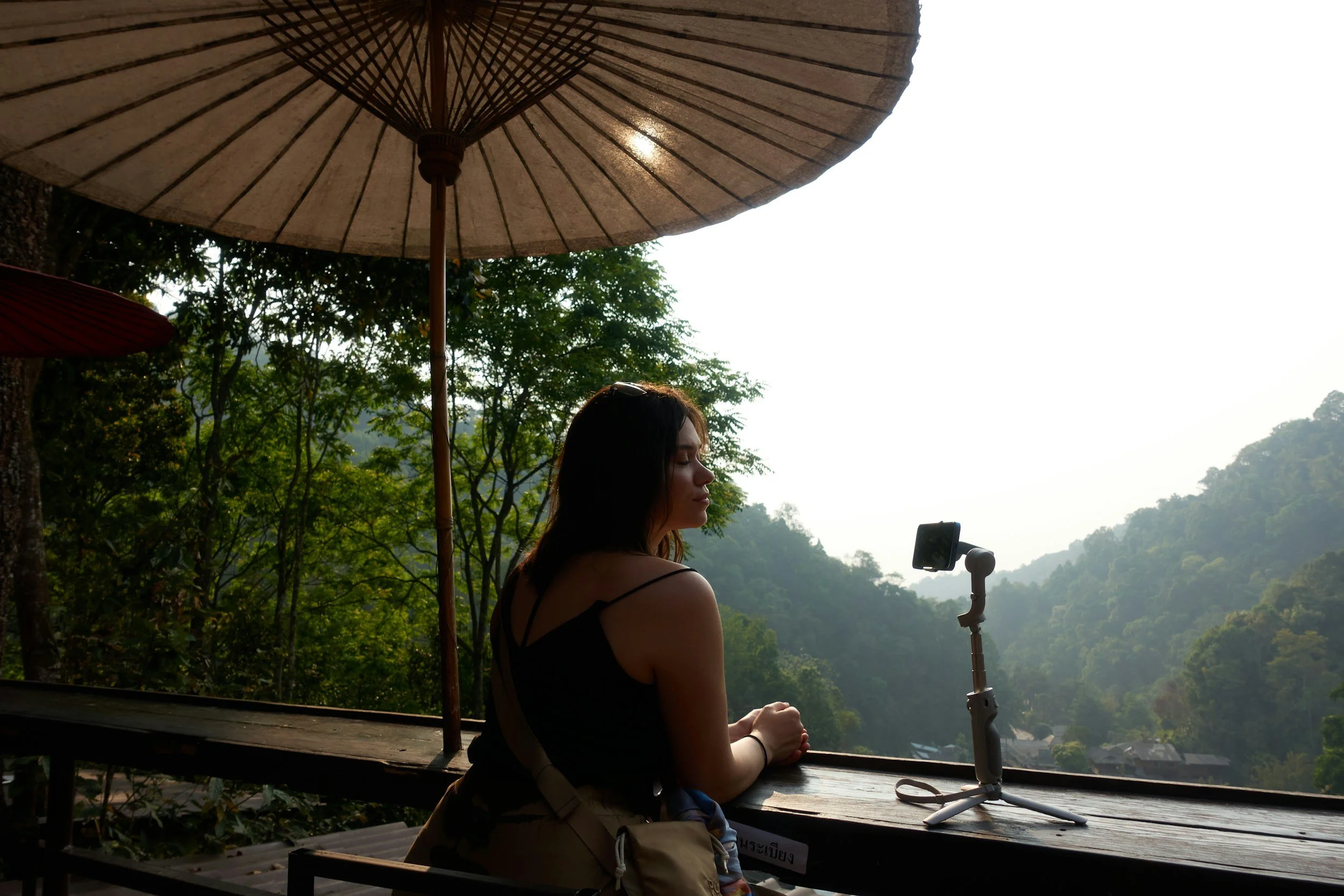
Hotels, resorts and Airbnbs are naturally visual businesses.
Beautiful architecture.
Thoughtfully designed rooms.
Perfectly staged amenities.
But a resort can have stunning photos and cinematic videos and still struggle to stand out online.
Why?
Because many hospitality brands focus on showing what the property looks like, rather than telling the story of what it feels like to stay there.
And that’s where social media strategy makes the difference.
Amenities Are Easy to Show, Experiences Are Harder
Most hotel feeds focus heavily on features:
room interiors
pools and spas
lobby design
food and drinks
These visuals matter, but they don’t always capture the experience.
A guest doesn’t remember the square footage of a room. They remember the moment they woke up to sunlight coming through the window.
They remember the late-night drink at the bar.
The quiet morning by the pool.
The view they didn’t want to leave.
Social media works best when it reflects those moments, when people see those visuals and more importantly, hear those stories!
Atmosphere Is What Makes a Hotel Memorable
I’ll never forget staying at one resort in Mexico, the sounds of the market next door, the sights of the trees and plants blowing in the warm breeze, the smiles and laughter from the staff. I’ll always remember that more than what colour the curtains were or how many towels were in the room. Airbnb’s resorts, hotels and all the best hospitality brands that stand out online understand that their brand is built on atmosphere.
Instead of simply documenting spaces, they show:
the mood of the property
the rhythm of a guest’s stay
the environment surrounding the hotel
A short video of sunlight moving across a room can be more powerful than a perfectly staged still image.
Because it feels real.
Guest Moments Tell the Best Stories
Some of the strongest hospitality content doesn’t come from the hotel itself; it comes from guests.
Guest experiences provide authentic narratives:
a couple celebrating a getaway
friends arriving for a weekend stay
someone relaxing with a book in a quiet corner
These moments give the audience something to imagine themselves inside.
And imagination is what drives bookings. This is where having a strong call to action for user generated content (UGC) can be a huge game-changer for brands!
Turning Stays Into Narratives
The best hotel social media accounts think like storytellers.
They show the arc of a stay:
Arrival.
Exploration.
Relaxation.
Departure.
Each post becomes part of a larger narrative that helps potential guests picture the experience before they even arrive.
When done consistently, the feed itself begins to feel like a travel journal and even though most people don’t consume media through a brands page directly, having cohesive stories on your age tell and overall and overarching story.
Social Media Is Often the First Impression
For many travellers, social media is the first place they encounter a property.
That means their content isn’t just marketing, it’s the brand’s introduction!
A hotel that tells stories creates curiosity.
A hotel that only posts room photos creates familiarity, but not necessarily excitement.
The difference between the two can influence whether someone scrolls past or starts planning a visit!
Hospitality brands have some of the most powerful storytelling opportunities on social media when they use them intentionally and have the right social media manager to guide them through the process.