Outdoor Content Wins Every Spring
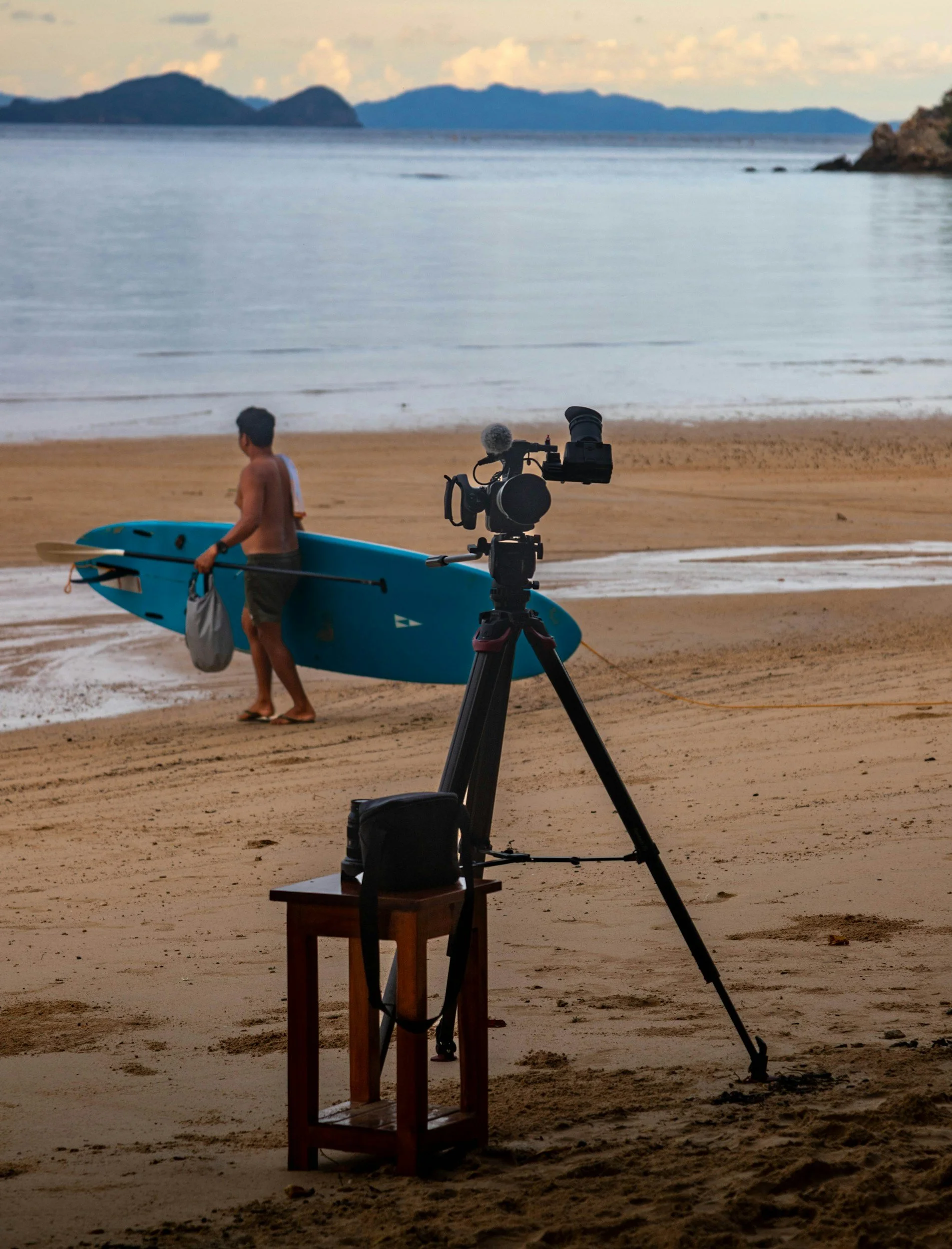
Every spring, something shifts.
People spend more time outside, light changes and energy returns. And without thinking too much about it, brands start posting more outdoor content.
Patios open.
Cars hit the road.
Shops stay open longer.
Resorts and BNB’s show off their surroundings.
It feels natural. But while most brands lean into outdoor content, very few use it strategically and that’s the difference between content that looks nice… and content that actually works!
Spring Changes How Content Feels
Outdoor content performs well in spring for a simple reason:
It reflects how people are living.
After months of indoor routines (especially with the wild winter we had around the GTA), audiences are drawn to:
open space
natural light
movement
fresh environments
Content that mirrors real-life behaviour always feels more relevant, but relevance alone isn’t enough. To stand out, outdoor content needs intention.
Natural Light Is an Advantage Most Brands Underuse
One of the biggest benefits of outdoor content is also the simplest: lighting.
Natural light:
creates depth and texture
improves skin tones
adds realism to environments
reduces the need for heavy editing
But the difference between average and strong outdoor content often comes down to how that light is used.
Midday light can feel harsh and flat.
Early morning and late afternoon (golden hour) create softness and atmosphere.
For example:
A hotel patio shot at noon shows the space, but usually has harsh shadows or over-exposed surfaces.
The same patio at sunset tells a story of a day spent enjoying the weather and winding down with warm tones, soft shadows and an overall feel that’s easy to find yourself in.
A car parked in direct overhead light looks static and plain and usually comes with hard reflections off multiple angles and surfaces.
That same car driving through shifting streams of the setting sun as it passes through the leaves feels alive.
Understanding light isn’t just a production detail; it’s a storytelling tool. (One advantage of having a social media manager and creator who attended film school!)
Environment Adds Context (And Context Builds Connection)
Indoor content often isolates the subject.
A haircut in a chair.
A product on a shelf.
A room without a story.
Outdoor content introduces context.
Suddenly, the brand exists somewhere:
a coastal road
a busy street
a quiet backyard
a city at dusk
That context helps your audiences understand not just what your brand is, but where it fits into their life! The environment turns content into part of the experience and no longer something existing on its own.
The Difference Between Using the Outdoors and Using It Well
Most brands stop at “we should shoot outside.” But a strong strategy asks:
What does this environment say about our brand?
What kind of lifestyle are we showing?
What emotion does this setting create?
How does this connect to our audience?
Without those answers, outdoor content can still feel generic.
A car in a random parking lot says very little.
A car on an open road with the sunroof down at sunrise says something specific.
A hotel exterior shot shows the building.
A guest walking through the space with a tropical drink and a beach towel shows the experience.
The setting matters, but the intention behind it matters more.
Making Outdoor Content Work for Your Brand
To use outdoor content strategically this spring, focus on three things:
1. Shoot With Purpose, Not Just Opportunity
Don’t just film because the weather is nice.
Think about what the setting adds to the story.
2. Capture Moments, Not Just Images
Movement, transitions, and small interactions make content feel alive!
3. Stay Consistent With Your Brand Identity
Your outdoor content should still feel like you and your brand, not like everyone else enjoying spring.
Why This Matters More in 2026
Content is more saturated than ever! Everyone has access to good phones and cameras. Everyone can post consistently. What separates brands now isn’t access, it’s perspective, story and feelings.
Outdoor content allows you to show that perspective clearly.
Not just what you offer.
But how does it fit into real life?
Spring doesn’t just change the environment. It changes how people engage with content. The brands that understand this don’t just go outside; they use the outdoors to tell better stories.
If you’re creating content this spring but it still feels flat or disconnected, the issue may not be effort; it may be how the story is being told! If you’re looking to take advantage of the spring weather and take your content in an intentional shift, I help brands build content systems rooted in storytelling, not guesswork.