Creators Are the New Travel Brochure
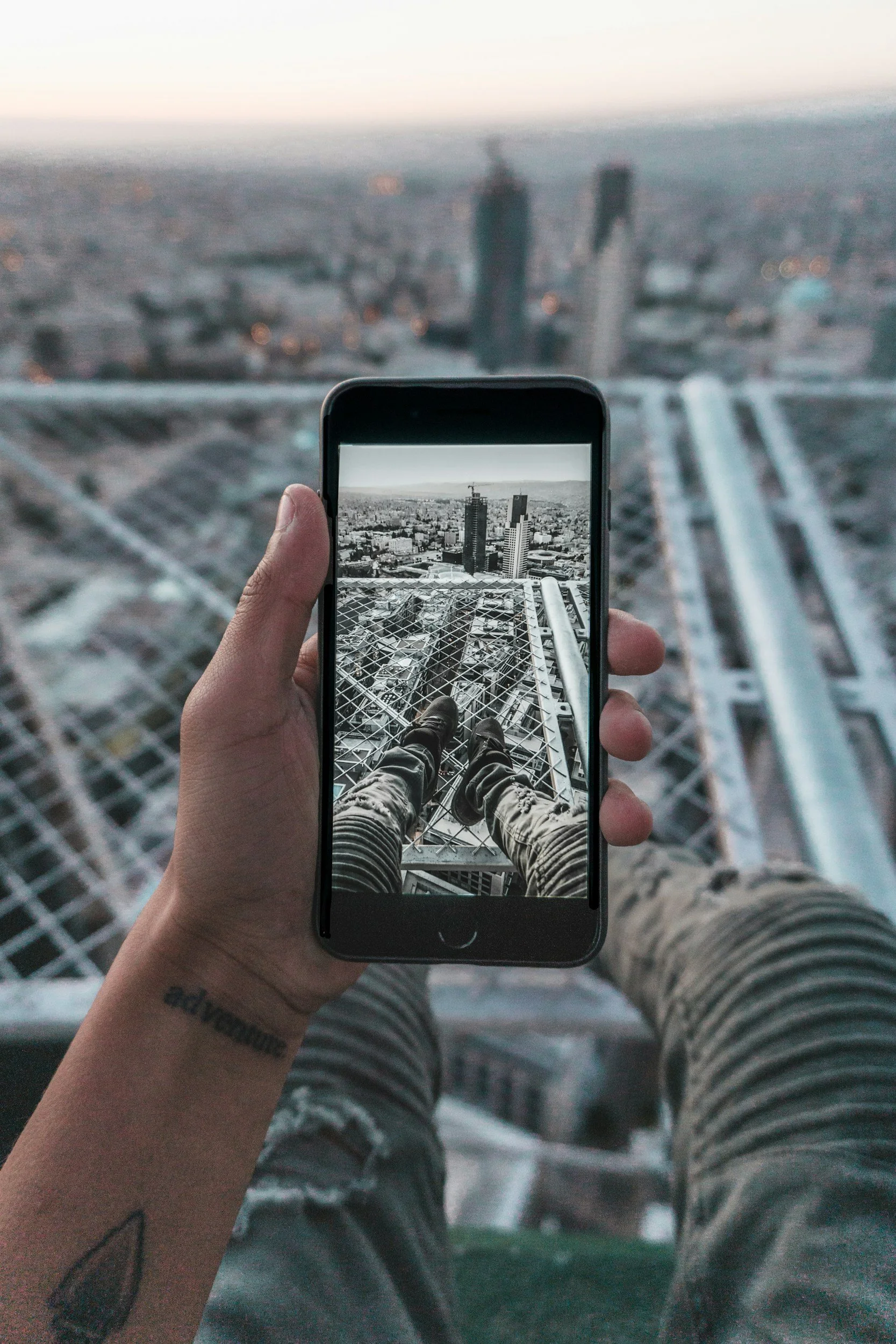
For decades, travel marketing followed a fairly predictable formula. A destination would be photographed from its most beautiful angle, a hotel would showcase its best rooms and amenities, and a tourism board would produce polished campaigns designed to make you dream about your next holiday. The goal was simple: show people somewhere they wanted to go and convince them to book the trip.
There is absolutely nothing wrong with that approach. Beautiful photography and professionally produced video still have an important place in travel marketing, and they can be incredibly effective at establishing a brand's visual identity. A great photograph can stop someone in their tracks, while a well-produced campaign can communicate the feeling and positioning of an entire destination.
But the way people discover and research travel has changed dramatically.
Today, we don't just want to see where we're going. We want to know what it is actually like to be there.
Before booking a hotel, we might watch someone walk through the room on TikTok. Before visiting a city, we might save a creator's weekend itinerary on Instagram. Before choosing a restaurant, we might watch someone try the food and explain what they ordered. Before committing to an expensive trip, we might spend hours scrolling through videos from people who have already been there.
The travel brochure hasn't necessarily disappeared.
It has simply become a person.
From Looking at a Destination to Experiencing It
Traditional travel marketing has always been about inspiration. A beautiful beach photograph makes you imagine yourself sitting there. A luxury hotel campaign makes you picture the weekend you've been waiting for. A destination video makes a city look exciting, romantic or adventurous.
But social media has introduced something that traditional travel advertising has never been able to provide at the same scale: access to other people's experiences.
We can now see what a destination looks like from hundreds of different perspectives. We can watch someone arrive at the airport, walk into their hotel room, order breakfast, explore a neighbourhood, visit a tourist attraction and tell us what they thought about it.
That changes the relationship between the traveller and the destination.
We're no longer just looking at an image and thinking, "That looks nice."
We're thinking, "I could actually see myself doing that."
That distinction is incredibly important for travel brands because people don't simply buy destinations. They buy experiences. They buy the feeling of getting away, discovering somewhere new, relaxing, reconnecting with people or doing something they've never done before.
Creator content and UGC has the ability to bring those experiences to life in a way that traditional advertising often can't.
The Power of Being Invited In
UGC and influencers now play a unique role in inviting their audience on raw and authentic journeys. There is something powerful about that invitation because the audience isn't being told about a destination. They're being invited to experience it alongside someone else.
Instead of feeling like they're watching an advertisement, they feel like they're following someone's journey.
That's part of the reason creator-led travel content works so well on platforms like Instagram, YouTube and TikTok. The audience isn't necessarily opening those platforms with the intention of watching ads. They're looking for entertainment, inspiration, recommendations, ideas and information.
When a creator takes them along on a trip, the promotional element becomes part of a larger story.
The hotel isn't simply a hotel anymore. It's where the creator stayed during their weekend away. The restaurant isn't simply a restaurant. It's where they had dinner after spending the afternoon exploring the city. The destination isn't simply a location on a map. It's somewhere they experienced and can now help someone else understand.
That context makes the content more meaningful.
Why Phone-First Content Has Become So Powerful
There is still a place for highly produced travel campaigns, and there always will be. Professional photography, cinematic video and carefully planned brand shoots can create a level of visual quality that is difficult to replicate. (unless AI takes it all over, but we’re not there yet!)
But social media has changed our expectations around what travel content should look like and sometimes, the phone is actually the better camera. Not because it produces a better image, but because it can produce a more relatable one.
Think about the difference between seeing a professionally produced hotel commercial and watching a creator walk into a room and say, "Okay, I wasn't expecting this view."
Both pieces of content might be showcasing exactly the same room. But the second one feels like you're experiencing the discovery with them. That feeling matters!
A creator talking directly to camera can feel like a recommendation from a friend. A quick video showing what the breakfast actually looks like can feel more useful than a perfectly styled photograph of the same meal. A creator walking through a hotel room with their phone can give you a better sense of the space because you're seeing it from the perspective of someone who is actually staying there. And let’s be honest, anyone who has bought a house or rented a property has dealt with photoshopped images that skew the size of a property. Creator content removes that doubt.
This doesn't mean travel brands should stop investing in professional content but It does mean they should stop assuming every piece of content needs to look like a traditional advertisement.
The content doesn't have to look unpolished. It simply needs to feel believable.
UGC and Influencer Marketing Are Not the Same Thing
There's an important distinction between UGC and influencer marketing that travel brands should understand.
Influencer marketing is generally focused on the creator's audience. A brand partners with an influencer because they have an established community and the ability to introduce the brand to that audience.
UGC is different.
With UGC, the creator's audience may not be the primary reason you're hiring them. Instead, you're hiring them because they can create content that communicates your brand or experience in a natural, engaging and social-first way.
That difference opens up a huge opportunity for travel brands.
A hotel doesn't necessarily need to work with someone who has one million followers. It may be far more valuable to work with a creator who understands how to tell a good story, is comfortable speaking on camera, has a strong visual style and can create content that makes people want to experience the property for themselves.
The value isn't always in the audience. Sometimes, the value is in the content itself!
The Smaller Creator Can Tell a Bigger Story
This is where I think travel brands have an enormous opportunity.
There is still a tendency to look at follower counts first when choosing creators. A larger audience can certainly be valuable, particularly when awareness and reach are the primary objectives, but it shouldn't be the only factor being considered.
The more important question might be whether the creator is the right storyteller for the experience you're trying to promote.
Can they make a hotel room feel exciting? Can they explain why a neighbourhood is worth visiting? Can they capture the little details that make a destination memorable? Can they speak naturally on camera? Can they create something that feels like a genuine recommendation rather than an advertisement?
And perhaps most importantly, can they create content that your brand can actually use?
A smaller creator with a strong visual style and an audience that genuinely trusts their recommendations may produce more useful content for a travel brand than someone with a much larger following who isn't particularly well suited to the brand or experience.
Sometimes the goal is to create something that reaches the right people in the right way.
The Destination Is the Setting. The Story Is What Happens There.
One of the biggest mistakes travel brands can make is assuming that every piece of content needs to be about how beautiful the destination is.
Of course, beautiful destinations are worth showing. But beauty alone isn't always enough to make someone stop scrolling.
The more interesting question is: what happened there?
Maybe the story is about discovering a hidden neighbourhood that most tourists don't know about. Maybe it's about finding the perfect weekend escape without having to travel too far. Maybe it's about taking your first solo trip or planning an affordable getaway. Maybe it's about incredible food, a romantic experience, a family holiday or simply finding somewhere to disconnect for a few days.
The destination is the setting. The story is what happens there.
This is where creators can be particularly valuable because they're naturally documenting the experience rather than simply photographing the location.
A hotel isn't just a room. It's where someone wakes up on the first morning of their holiday. A restaurant isn't just a menu. It's where someone goes for dinner after spending the day exploring. A destination isn't just a collection of landmarks. It's the coffee shop someone discovers, the street they get lost on, the meal they didn't expect to love or the sunset they decide to stay out for.
Those details are what make travel memorable, and they're also what make travel content interesting.
Travel Brands Need Content, Not Just Campaigns
Another major advantage of creator content is the sheer amount of content that can be created from a single experience.
A traditional influencer campaign might result in one Reel or TikTok and perhaps a handful of Stories. Once the campaign is finished, the content may disappear from the conversation almost as quickly as it arrived. A well-planned creator partnership can be much more valuable.
Imagine a hotel working with several creators throughout the year and building a library of content around the property and its destination. That library could include room tours, restaurant experiences, destination guides, seasonal content, packing tips, itineraries, local recommendations, behind-the-scenes moments, testimonials and day-in-the-life videos.
Suddenly, the brand isn't simply running influencer campaigns.
It's building a content engine.
That content can support the brand's social media channels for months. It can be repurposed for Stories, Reels and TikTok. It can be incorporated into paid advertising, email marketing and website content. It can also give the brand a much deeper library of authentic visual assets to draw from when planning future campaigns.
The creator partnership becomes more than a single post.
It becomes an investment in the brand's wider content strategy.
Content Without Strategy Is Just a Folder Full of Videos
This is where social media management becomes so important.
Let's say a hotel works with a creator and receives ten excellent videos. That's great, but what happens next?
If the answer is simply, "We'll post them on Instagram," you're only doing half the job.
Someone needs to understand what role each piece of content can play within the wider strategy. One video might be designed to generate awareness, while another could answer a common booking question. One might be perfect for TikTok, while another could work better as an Instagram Story sequence. A third might make an excellent paid advertisement.
You also need to consider timing.
Some content may be evergreen and useful all year. Other content might be more relevant to summer travel, holiday bookings or a particular event taking place in the destination.
This is why creator content and social media management work so well together. The creator creates the assets. The social media strategy gives those assets a purpose.
Without that second part, you can end up with a folder full of really good videos that never reach their full potential. (which is exactly why I shifted from strictly creating content for brands to offering social media management!)
The New Travel Brochure Is a Person
Maybe that's the biggest change of all. The traditional travel brochure showed you the destination. The creator takes you there.
They show you the hotel room, the morning coffee, the restaurant, the street outside, the view from the balcony and the little place you might never have discovered on your own.
They show you what surprised them, what they loved and what they would do differently next time. And suddenly, you're not simply looking at a destination.
You're imagining yourself in it. That's what great travel content does. It doesn't simply make somewhere look good. It makes somewhere feel possible.
And that is an incredibly powerful position for a travel brand to own.
The Seven Social Takeaway
Travel brands don't need to abandon beautiful photography, professional campaigns or traditional marketing. Those things still have an important role to play, particularly when it comes to establishing a strong visual identity and communicating the overall positioning of a brand.
But there is an opportunity to add another voice to the conversation:
A human one.
Creators can show the experience behind the destination. UGC can turn that experience into a library of reusable content, and social media management can turn that content into a strategy that continues working long after the creator has gone home.
The future of travel marketing isn't necessarily less polished. It's more personal because the best travel advertisement might not look like an advertisement at all. It might simply look like someone you trust sharing a video and saying, "You need to come here."