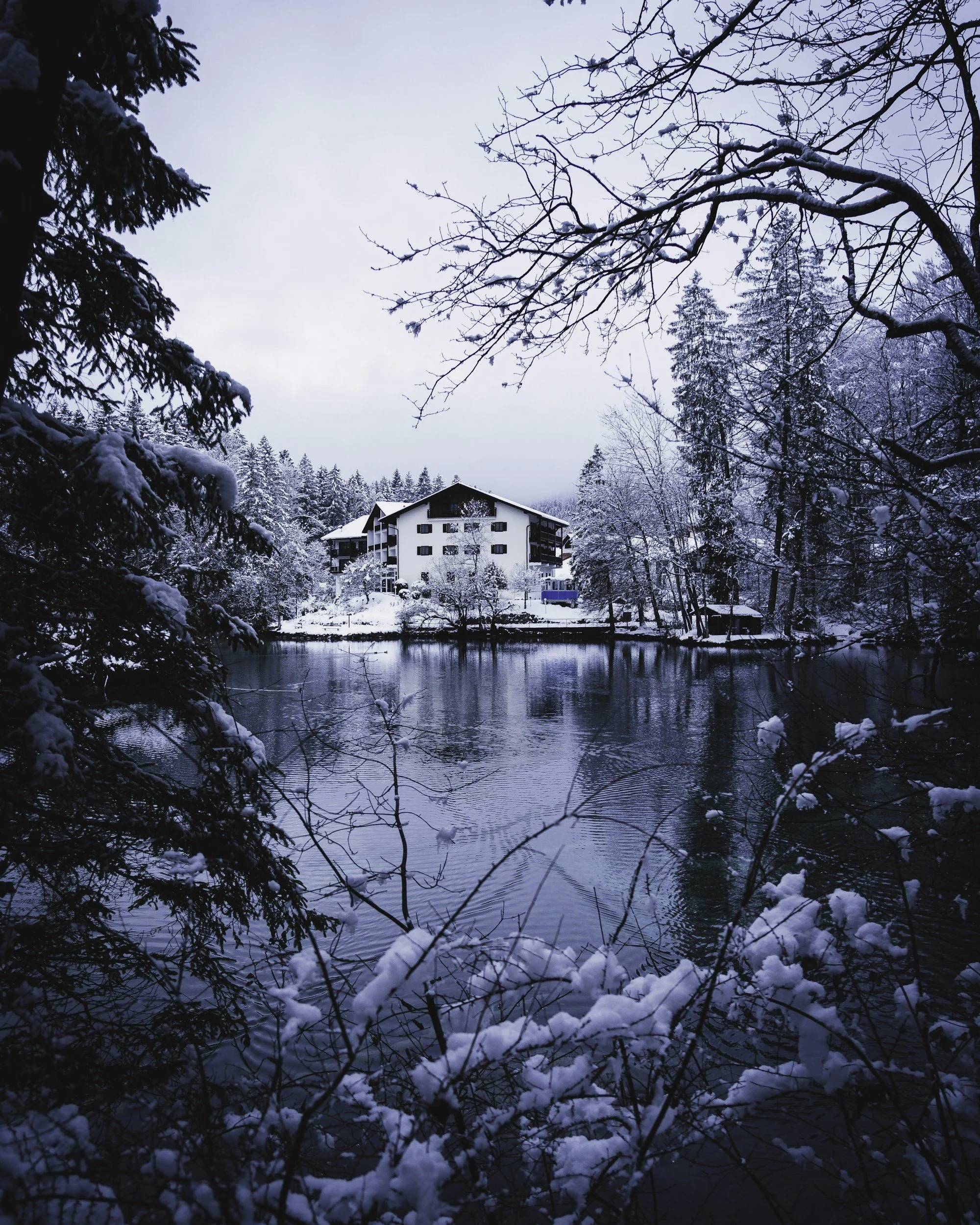
For hotels, boutique stays and short-term rental properties, the off-season can feel like a waiting game. Bookings slow down, enquiries become less frequent, and the calendar starts to show more empty weekends than anyone would like. It can be tempting to pull back on marketing until travel demand picks up again, but that may be precisely the wrong time to go quiet.
Effective hotel social media marketing isn't just about filling rooms during peak travel season. It's about giving people a reason to visit when they might not otherwise consider booking.
Whether you manage a boutique hotel, operate a vacation rental or run an Airbnb, the quieter months present an opportunity to reach a different audience, highlight experiences that work year-round and build interest in future stays. With the right off-season marketing strategy, your business can remain visible, relevant and appealing even when demand naturally dips.
Why Off-Season Marketing Matters for Hotels and Vacation Rentals
Travel demand changes throughout the year. Weather, school schedules, public holidays and local events all influence when people choose to travel. For some properties, the off-season means fewer tourists. For others, it means fewer business travellers, weekend visitors or guests booking longer stays.
The challenge is that potential customers don't stop looking for experiences just because it's no longer peak season. Their priorities may change, though. Instead of planning a summer road trip, they might be looking for a cozy winter getaway, a quiet weekend away from work or somewhere to celebrate a special occasion.
This is where thinking about your marketing becomes important. Rather than relying on the same messaging you used during the summer, you can adapt your content to reflect what people want from a stay at that particular time of year.
Social media gives you an opportunity to show potential guests what makes your property worth visiting now. It can also help you stay visible to people who may not be ready to book immediately but could become customers in the weeks or months ahead.
The goal isn't simply to post more often. It's to make your property relevant to the right audience, communicate its value and make the decision to book easier.
1. Sell the Experience, Not Just the Room
One of the most common mistakes in hotel and short-term rental marketing is focusing almost entirely on the property itself. Beautiful bedrooms, renovated bathrooms and well-equipped kitchens are all worth showcasing, but they aren't necessarily what convinces someone to book.
People are often buying an experience. They're looking forward to spending time together, exploring somewhere new, celebrating a milestone or escaping their everyday routine.
Your social media content should help potential guests imagine what their stay could look like.
For a boutique hotel, that might mean showcasing a slow morning with coffee, a walk through a nearby historic district and dinner at a local restaurant. For a countryside rental, it could mean a weekend spent reading by the fireplace, preparing a meal together and enjoying a peaceful setting away from the city.
These experiences don't need to be extravagant. In fact, some of the most appealing content comes from simple moments that make a stay feel different from being at home.
Short-form video is particularly useful here. A Reel that takes viewers from arriving at the property to settling into the room, exploring the surroundings and winding down in the evening can tell a much more compelling story than a series of disconnected room photographs.
Think about what your ideal guest wants to feel when they book with you. Then create content that helps them picture that feeling.
2. Make Winter a Reason to Visit, Not a Reason to Stay Away
For properties in seasonal destinations, colder weather can seem like a marketing disadvantage. Beaches may be less appealing, outdoor activities may be limited, and some local attractions might close for the winter.
But the change in season can also create a completely different experience worth promoting!
A quiet lakeside property could be positioned as a peaceful winter escape. A city hotel might appeal to couples planning a weekend of restaurants, Christmas markets, ice skating, hockey games or shopping and cultural attractions. A countryside rental could become the ideal setting for a digital detox or a few days away from a busy schedule.
The important thing is to avoid marketing your property as though it's still summer.
Show potential guests what makes the destination appealing at this time of year. Capture the atmosphere of the property on a cold morning, the warmth of its indoor spaces, the surrounding landscape and the experiences available nearby. If your property has a fireplace, a hot tub, a sauna or an inviting lounge area, show people how those amenities contribute to the overall stay.
This is also where your content can become more specific. Instead of publishing a generic post about your rooms, create a video about what a winter weekend at your property actually looks like.
A change in weather doesn't automatically make a destination less appealing. Sometimes, it changes the kind of guest who will appreciate it most.
3. Promote Local Experiences Alongside Your Property
A room is only one part of a guest's trip. The surrounding destination can be just as important when someone is deciding where to stay.
This creates an opportunity to make local experiences a bigger part of your hotel social media marketing strategy.
Consider what visitors can do within a short drive or walk of your property. Depending on your location, that could include independent coffee shops, restaurants, seasonal markets, hiking trails, museums, wineries, local shops or winter festivals.
Create content that helps people plan an enjoyable visit. A short guide to spending a weekend in your town, a list of nearby restaurants worth visiting or a video showcasing local attractions can provide value even to someone who hasn't booked a stay yet.
This type of content can also introduce your business to people who are already interested in the destination. Someone searching for things to do in your area might discover your social media account through a local guide and eventually consider your property when planning a trip.
Where appropriate, collaborate with nearby businesses. You could feature a local restaurant, share a recommendation from a tour operator or create a joint offer with an attraction. These partnerships can provide useful content for both businesses while helping visitors discover more of what the destination offers.
You don't need to position your property as the only reason to visit. Sometimes, showing people everything they can enjoy nearby is what makes your accommodation more appealing and exciting!
4. Use Guest Testimonials to Build Trust
When people are choosing accommodation, they want to know what their experience is likely to be like. Professional photographs can make a property look appealing, but testimonials help potential guests understand what staying there actually feels like.
This is particularly valuable during the off-season, when people may be less familiar with what a destination has to offer or whether a property is worth visiting outside its peak period.
Share genuine guest reviews, feedback and experiences across your social media channels, with permission where appropriate. A review praising the peaceful atmosphere, thoughtful hospitality, comfortable beds or proximity to local attractions can reinforce the very reasons someone might consider an off-season visit.
You can also turn feedback into useful content. If guests regularly mention how much they enjoyed the fireplace, the local restaurants or the ease of checking in, those observations can help shape future posts.
For example, a post highlighting a guest's favourite part of their winter stay could be paired with photographs or video of the relevant amenity. This connects real customer feedback with the experience you're promoting.
Don't limit social proof to static review graphics. Short videos, guest-submitted photographs and authentic stories can help prospective customers picture themselves enjoying the property.
Always make sure testimonials are genuine and presented accurately. Trust is difficult to build and easy to undermine, especially in hospitality, where guests are paying for an experience they can't fully evaluate before arriving.
5. Keep Your Social Media Active Before Guests Are Ready to Book
Not every social media post needs to generate an immediate booking. Some people will discover your property months before their next trip, while others may be comparing destinations without having chosen specific dates.
Consistent, useful content helps your business stay familiar while those decisions develop.
A practical content mix for a hotel or vacation rental might include property walkthroughs, local recommendations, guest testimonials, seasonal experiences, answers to frequently asked questions and occasional promotional posts.
The balance will depend on your business goals and the questions your audience is asking. If people regularly enquire about parking, pet policies, check-in times or nearby attractions, answering those questions through content can reduce uncertainty and help them decide whether your property is suitable.
This doesn't mean posting simply for the sake of keeping your account active. Every post should have a purpose, whether that's helping people discover the destination, building trust, communicating the guest experience or encouraging a booking.
It's also worth remembering that social media is only one part of your marketing strategy. Your website, booking platform, email communications and guest reviews all contribute to the decision-making process. Make sure your social profiles link to the correct booking destination and that your availability, offers and property information remain accurate.
An active social presence can support demand throughout the year, but it works best when it's connected to a clear customer journey.
6. Plan Your Off-Season Content Around the Guest Journey
A strong off-season marketing strategy isn't built by posting random winter photographs and hoping someone books a room. It starts with understanding what your ideal guest needs to see before they're ready to make a decision.
Someone who has never heard of your property may need inspiration. Someone familiar with your destination may want to compare accommodation options. A person considering a booking may need reassurance about amenities, pricing, availability or cancellation policies.
Your content should address these different stages.
For example, an inspirational Reel could introduce the idea of a winter escape. A local guide could help someone imagine how they'd spend their time in the destination. A guest testimonial could reinforce trust, while a post explaining a weekend package could encourage a potential customer to visit your booking page.
Planning these pieces together creates a more cohesive experience than publishing each post independently.
It also helps you make better use of the content you create. One property walkthrough can become a Reel, a series of Stories, a website asset and supporting footage for future seasonal posts. A local guide can be adapted into a carousel, a blog article or a collection of short videos.
The key is to plan around the questions and motivations of your audience, not simply around how many posts you need to publish each week.
Your Off-Season Marketing Checklist
Before planning your next month of content, take a step back and assess how you're positioning your property.
Identify the experiences and amenities that make your accommodation appealing during quieter months. Research local attractions, events and businesses that could give visitors additional reasons to travel. Review your existing guest feedback to understand which aspects of the experience people value most.
Then plan content that brings those elements together. Include inspiration for potential guests, practical information that answers common questions, genuine social proof and clear opportunities to explore your offers or check availability.
Review your booking journey, too. Make sure your social profiles point to the right destination, your website communicates your current offers accurately and your enquiry process is straightforward.
Most importantly, don't wait until bookings slow down to start thinking about marketing. Seasonal content is most useful when it anticipates what customers might want and gives them time to plan their next trip.
Make the Most of Your Quieter Season
The off-season doesn't have to mean disappearing from social media and hoping demand returns on its own. It can be an opportunity to reach new audiences, highlight different aspects of your property and give potential guests more reasons to choose your destination.
The businesses that approach off-season marketing thoughtfully are better positioned to communicate their value beyond peak travel periods. They understand that guests aren't just looking for somewhere to sleep. They're looking for experiences, convenience, comfort and reasons to spend their time and money in a particular place.
That requires more than posting attractive photographs. It takes a clear understanding of your audience, consistent content, a useful booking journey and a strategy that connects your social presence to your business goals.
At Seven Social Co, I help businesses approach social media with a clearer strategy, more purposeful content and a consistent presence that supports their wider goals. If your hotel or short-term rental could benefit from a more considered approach to social media, explore my social media management services.